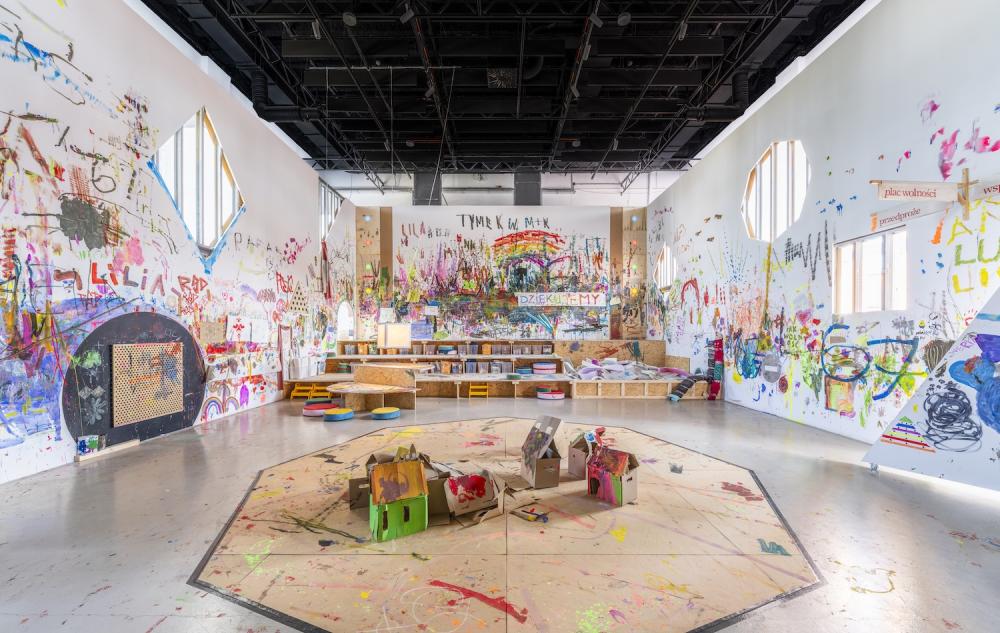
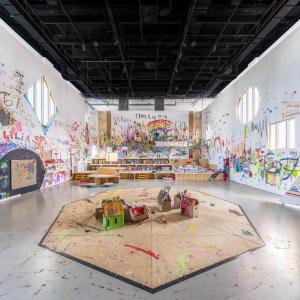
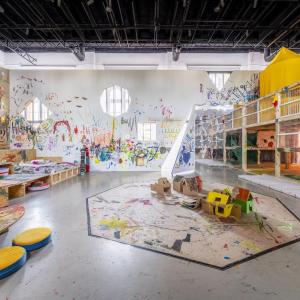
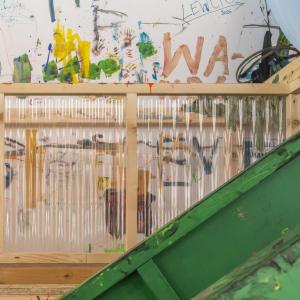
Hned na začátku vzaly děti barvu a pomalovaly bílé stěny. Výstava Modele wspólnoty | Wystawa do zabawy (Modely společenství | Výstava k hraní) v gdaňském Centru současného umění Łaźnia vychází z legendárního projektu Palle Nielsena z roku 1968: výstavní prostor patří dětem, zatímco rodiče čekají venku. Koncept vznikl ve spolupráci s pedagogy z Gdaňské univerzity a probíhá v devadesátiminutových blocích, v nichž průvodci děti uvedou do prostoru a pak je nechávají být. Rozhovor s kurátorkami Izabelou Wieczorek a Anetou Lehmann.
Nielsenova výstava The Model – A Model for a Qualitative Society (Model pro kvalitativní společnost) vznikla ve Stockholmu v roce 1968, vy ji ve vlastní podobě uvádíte v Gdaňsku roku 2026. Co jste musely změnit a co mezi těmi dvěma momenty přetrvává?
AL: Když jsme se k Nielsenovu projektu dostaly poprvé, přišel nám celkem radikální a měly jsme pocit, že ho pro rok 2026 budeme muset změkčit, hlavně kvůli bezpečnosti. Musela se nastavit nějaká základní pravidla. Děti tu mohou dělat téměř cokoli, ale vybízíme je, aby si položily otázku, jestli to udělat mají – jestli to, co uvnitř dělají, je něco, co by samy chtěly vidět, když do prostoru vejdou. Bereme to jako veřejný prostor, jako malé město, takže se pohybujeme někde mezi svobodou a etickou empatií.
IW: Rok 1968 byl intenzivní doba – Pražské jaro, studená válka. Dnešek je jiný, ale také čelíme řadě krizí: klimatické, bytové, probíhajícím válkám, rostoucí sociální izolaci. Nielsen se ptal, co děti v tu chvíli potřebují, a myslím, že my děláme dnes něco podobného.
AL: Naše doba si vynutila i jinou věc. Nielsen měl ve výstavním prostoru kamery a v kavárně obrazovky, na kterých rodiče děti sledovali. My jsme se proti tomu rozhodly, protože v roce 2026 musíme přemýšlet o obrazech dětí a o tom, jak nekontrolovatelně mohou kolovat.
Na rozdíl od Nielsenova díla máte v názvu „model“ v množném čísle. Proč?
IW: Nielsen tvrdí, že chceme-li změnit společnost, není třeba měnit přetížené a osamělé dospělé, ale způsob, jakým si děti hrají a jak přemýšlejí. Ten pohled sdílíme, ale myslíme si, že největší výzvou pro děti dnes je vytvořit komunitu vůbec – a že může být víc než jedna.
AL: Dnes je mnohem větší povědomí o různých způsobech bytí a života – neurodiverzitě, kulturních rozdílech… Změnou názvu jsme chtěly zdůraznit, že my, jako kurátorky a jako instituce, nemáme odpověď na to, která společnost je ta správná. Jedná se spíš o experimentální laboratoř.
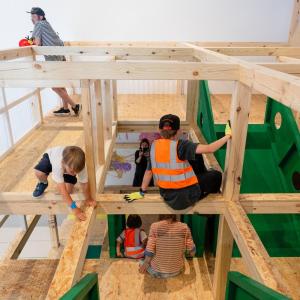
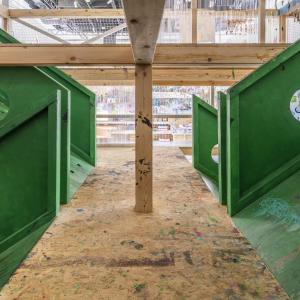
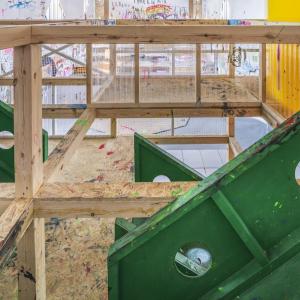
Architektura výstavy pracuje se dvěma abstraktními prvky, které odkazují k formám typickým pro Gdaňsk: falowiec, charakteristické obytné bloky, a przedproża, vyvýšené terasy před měšťanskými domy. Výstava je ale site-specifická ještě v jiném smyslu. Jak reaguje na čtvrť Dolne Miasto, kde probíhá?
AL: Tyto prvky vzešly z architektonického konceptu studia BudCud – Agaty Woźniczky a Mateusze Adamczyka – jako citace přejaté přímo z města. Przedproża patří k historickému jádru Gdaňska, modernistický falowiec – v překladu „vlnovec“ – k poválečnému Przymorzi a Nowému Portu. Naše instituce má budovy právě v těchhle čtvrtích, takže ty prvky propojují i naši vlastní strukturu. Ale výstava probíhá v bývalých lázních ve čtvrti Dolne Miasto, která už přes deset let prochází revitalizací a nemá mnoho veřejného prostoru. Právě na pozadí toho nedostatku dáváme dětem malé město uvnitř budovy.
Co byste si přály, aby si z toho děti odnesly? Jiné vnímání své čtvrti, svého okolí?
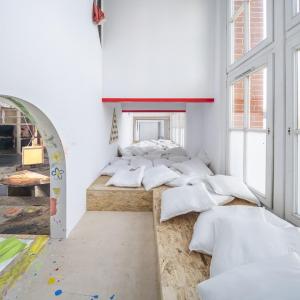
AL: Můj malý sen je změna perspektivy na to, jak se dá být ve městě. Vybízíme děti, aby si sedaly na podivná místa uvnitř konstrukcí, takže by bylo krásné, kdyby se po odchodu rozhlédly a napadlo je: možná si můžu sednout i na schody. Existuje velmi tradiční způsob uvažování o městě – že když si chcete sednout, musí to být lavička.
IW: A bylo by úžasné, kdyby se začaly ptát: proč jsou tyhle schody udělané pro někoho o tolik většího, než jsem já?
Rodiče zůstávají mimo místnost, kterou děti mohou přetvářet podle libosti. S jakými pocity ohledně takového odloučení se setkáváte?
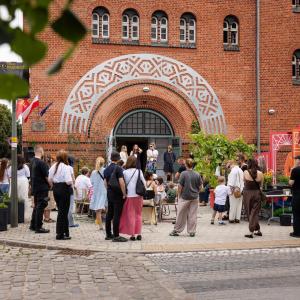
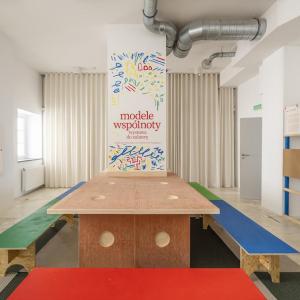
AL: Došlo nám, že jsme obrátily pořadí, které je v kulturních institucích nejběžnější: děti dostaly výstavu a rodiče to, co bývalo místem pro workshopy – teď čekají oni. Od začátku se objevovaly otázky po bezpečnosti a odpovědnosti, proto jsou uvnitř vždy dva lidé z našeho týmu, z nichž jeden je pedagog. Ale otázky zůstávají a komfortní zóna se natahuje různými směry.
IW: Někteří rodiče potřebují nechat děti být, jiní sedí co nejblíž prostoru a odmítají sejít do přízemí. Je to těžké i pro děti, takže vědí, že když se budou chtít vrátit nebo jen obejmout mámu či tátu, rodiče jsou blízko.
Jakou roli má dvojice průvodců, kteří jsou s dětmi v místnosti, a jak moc s nimi interagují?
AL: Oba průvodci tam jsou, aby zasáhli, jen když je to skutečně potřeba. Když se děti perou, průvodci přijdou – v klidu – a zeptají se, co se stalo. U výtvarných nebo technických problémů pomáhají, jen když je dítě požádá.
Ostatní dospělí do prostoru nesmějí. Co se mění, když jsou přítomni?
AL: Chování, představivost, samotné tvoření – to všechno je jiné. Ve vztahu dítěte a dospělého je vždycky určitá hierarchie.
IW: První tři dny přišlo každé dítě s rodičem a slyšely jsme, jak rodiče zábavu moderují: měl bys to udělat takhle, možná namaluj něco takového…
A k čemu dochází, když se dětem dá volnost a důvěra?
AL: K barvě na stěnách (smích). Děti prostě vzaly barvu a pomalovaly s ní zdi. Vejít do prostoru, který předtím byl bílý, bylo mimo mou komfortní zónu – říkala jsem si: „Proboha, jsme si tím jisté?“ Ale tohle je právě to gesto svobody, které my samy udělat nemůžeme. O měsíc později začaly stavět, v což jsme doufaly. Jakmile se nasytila první potřeba malovat, získaly pocit, že můžou něco vytvořit.
IW: První konstrukce některých dětí bývá malá – tak, jak to znají ze školy, kde se věci musí vejít na lavici nebo být dost malé na to, aby se daly odnést domů. Ale po třech čtyřech návštěvách začnou stavět velké věci. Opravdu velké – jako by objevily, že tady může být měřítko jejich jednání jiné, že mohou ovlivnit celý prostor, nejen vyrobit předmět. Prosíme je také, aby si své konstrukce nebraly domů, aby je další děti mohly dál využít.
O jaké objekty se jedná?
AL: Většinou o krabice připomínající domy. Nejdřív klasické domečky s trojúhelníkovou střechou, ale jak rostou, mění se v konstrukce, skoro abstraktní.
IW: Moje oblíbená je houpačka. Vzaly větev, připevnily ji hodně vysoko obrovským množstvím lepicí pásky a zavěsily na ni látku. Stála se na ni fronta, protože každé dítě se chtělo houpat.
Takže fungovala, i když ji vyrobily takhle punkově. Na běžném hřišti by něco takového vzniklo jen stěží – nabízejí městská hřiště dětem to, co potřebují?
IW: Často jsou navržená spíš pro dospělé než pro děti: každý prvek má funkci, vše je maximálně bezpečné hlavně proto, aby byli dospělí v klidu. Ale dítěti někdy stačí díra v zemi – a může to být to nejlepší hřiště, jaké kdy mělo.
AL: Typické hřiště je prostě příliš definované – ve chvíli, kdy přijdete, víte, co je každý prvek zač a jak funguje. V gdaňské čtvrti Zaspa leží mezi bloky malé kopečky, které zbyly ze stavby, a děti je milují, protože terén sám se stává místem k hraní. Co se tedy mezi tehdejškem a dneškem stalo s uvažováním o městě, že jsme skončili u tak striktně navrženého způsobu trávení času?
Co výstava učí vás jako instituci?
IW: Pomáhá našemu týmu vytvořit vzdělávací program – i když slovo „vzdělávání“ nepoužíváme. Staré způsoby, jak děti učit o umění, už nefungují. Místo abychom vycházely z toho, co je chceme naučit, začínáme pozorováním toho, co dělají, když jim dáme prostor, materiál a čas. V tomto smyslu se instituce učí od svého nejmladšího publika.
Tereza Vydrová
---
English version:
A City Without Instructions
The first thing the children did was take the paint and cover the white walls with it. Modele wspólnoty | Wystawa do zabawy (Models of Community | An Exhibition for Having Fun) at the Łaźnia Centre for Contemporary Art in Gdańsk starts from Palle Nielsen's legendary 1968 project: the exhibition space belongs to the children, while their parents wait outside. Developed with pedagogues from the University of Gdańsk, it runs in ninety-minute sessions: caretakers introduce the children to the space, then leave them to it. An interview with curators Izabela Wieczorek and Aneta Lehmann.
AL = Aneta Lehmann, IW = Izabela Wieczorek
Nielsen's The Model – A Model for a Qualitative Society was staged in Stockholm in 1968; you are presenting your own version of it in Gdańsk in 2026. What did you have to change, and what carries over between those two moments?
AL: When we first came to Nielsen's project it seemed radical, and we felt we had to soften it for 2026, mainly for safety. Some basic rules had to be set. Children can do almost anything here, but we encourage them to ask whether they should – whether what they do inside is what they would want to see when they walk in. We treat it as a public space, a little city, working somewhere between freedom and ethical empathy.
IW: 1968 was an intense time – the Prague Spring, the Cold War. Today is different, but we are also facing multiple crises: climate, housing, ongoing wars, growing social isolation. Nielsen asked what children needed at that moment, and I think we are doing something similar now.
AL: Our times have imposed something else too. Nielsen had cameras in the exhibition space and screens in the café where parents watched their children. We decided against that, because in 2026 we have to think about images of children and how they circulate, beyond anyone's control.
Unlike Nielsen's work, your title puts "model" in the plural. Why?
IW: Nielsen argues that if we want to change society, we have to change not the overwhelmed, lonely adults but the way children play and think. We share that view, but we believe the greatest challenge for children today is creating a community at all – and there can be more than one.
AL: There is far greater awareness today of different ways of being and living – neurodiversity, cultural difference. By changing the title we wanted to underline that we, as curators and as an institution, don't have the answer as to which society is the right one. It is more of an experimental laboratory.
The exhibition architecture works with two abstract elements referring to forms typical of Gdańsk: the falowiec, the distinctive housing blocks, and przedproża, the raised terraces in front of the tenement houses. But it is site-specific in another sense too. How does it respond to Dolne Miasto, the district where it takes place?
AL: These elements come from the architectural concept by the BudCud studio – Agata Woźniczka and Mateusz Adamczyk – quotes taken directly from the city. Przedproża belong to the historical heart of Gdańsk; the modernist falowiec – "the waver", from the wave – to post-war Przymorze and Nowy Port. Our institution has buildings in exactly those districts, so these elements connect our own structure too. But the exhibition takes place in the former Łaźnia I bathhouse in Dolne Miasto, a district under revitalisation for over ten years, with little public space. So we are giving children a little city inside the building.
What would you wish for the children to take away? A different sense of their district, their surroundings?
AL: My small dream is a change of perspective on how one can be in the city. We encourage them to sit in strange places within the constructions, so it would be lovely if, after they left, they looked around and thought: maybe I can sit on those stairs too. There is a very traditional way of thinking about the city – that if you want to sit, it has to be a bench.
IW: And it would be wonderful if they started asking: why are these stairs made for someone so much bigger than me?
Parents stay outside the room the children can reshape as they please. What feelings about that separation have you encountered?
AL: We realised we had reversed the order most common in cultural institutions: the children got the exhibition, and the parents got what used to be the workshop space – now they are the ones waiting. From the beginning there were questions about safety and responsibility, which is why two people from our team are always inside, one of them a pedagogue. But the questions remain, and this comfort zone is being stretched in different directions.
IW: Some parents need to leave their children be; others sit as close as they can and won't go down to the ground floor. It is hard for the children too – so they know that if they want to come back, or just hug their mum or dad, their parents are near.
What is the role of the two caretakers who are in the room with the children, and how much do they interact with them?
AL: Both caretakers are there to respond only when there is a real need. If children are fighting, one comes over – gently – and asks what happened. With artistic or technical problems, they help only if a child asks.
Other adults are not allowed into the space. What changes when they are there?
AL: Behaviour, imagination, the act of making – all of it is different. In a child–adult relation there is always a certain hierarchy.
IW: For the first three days every child came with a parent, and we heard the parents moderating the fun: you should do it this way, maybe paint something like this…
And what happens when children are given freedom and trust?
AL: Paint on the walls (laughs). The children simply took the paint and covered the walls with it. Walking into a space that had been white before was outside my comfort zone – I thought: my God, are we sure about this? But that is exactly the gesture of freedom that we ourselves cannot make. A month later they started building, which is what we had hoped for. Once the first need to paint was satisfied, they felt they could make something.
IW: Some children's first construction is small – the way it is at school, where things have to fit on a desk or be small enough to take home. But after three or four visits they start building large things. Really large – as if they discover that here the scale of their action can be different, that they can affect the whole space, not just make an object. We ask them not to take their constructions home, so that other children can go on using them.
What kind of objects are they?
AL: Mostly boxes resembling houses. At first classic little houses with triangular roofs, but as they grow they turn into structures, almost abstract ones.
IW: My favourite is a swing. They took a branch, fixed it high up with an enormous amount of tape and hung fabric from it. There was a queue for it, because every child wanted a turn.
So it worked, even though they made it in such a punk way. On an ordinary playground something like that would hardly come about – do city playgrounds offer children what they need?
IW: They are often designed for adults rather than children: every element has a function, everything as safe as possible, mainly so the adults can be calm. But sometimes all a child needs is a hole in the ground – and it can be the best playground they ever had.
AL: The typical playground is simply too defined – the moment you arrive, you know what every element is and how it works. But in the Gdańsk district of Zaspa, small hills lie between the blocks, left over from construction, and children love them, because the terrain itself becomes a place to play. So what happened to our thinking about the city, that we ended up with such a strictly designed way of spending time?
What is the exhibition teaching you as an institution?
IW: It is helping our team to build an education programme – although "education" isn't a word we use. The old ways of teaching children about art simply don't work any more. Instead of starting from what we want to teach them, we start by watching what they do when we give them space, materials and time. In that sense the institution is learning from its youngest audience.
Tereza Vydrová
Bio:
Aneta Lehmann: Educated as a cultural studies specialist, interior architect, and Gdańsk historian (gedanist). She works across the cultural sector, educating and raising awareness of architecture, researching the urban form, curating exhibitions, and producing events. At times, she also works through writing and photography. She tells stories about urbanity and guides people through the city, while facilitating conversations and processes. She has participated in both Polish and international projects, including Exercising Modernity, TEORIA, Creative Circular Cities, and Re-wiring. She was a recipient of the Gdańsk Cultural Scholarship – Creative Fund and was nominated for the City of Gdańsk Award for Young Creators in Culture 2025. Since 2011, she has collaborated with cultural institutions across the Tri-City area. Between 2023 and 2025, she co-led the Architecture of the City Studio at the Academy of Fine Arts in Gdańsk. She is a part of the Grid Arthub residence team, works as Curator for Architecture and Space at the Gdańsk Centre for Contemporary Art, and is a co-creator of Open House Gdańsk.
Izabela Wieczorek: Curator and art historian, Head of the Social Programmes Team at the Gdańsk Centre for Contemporary Art. She holds an MA in Art History and a degree in Polish Philology from the University of Gdańsk. Her curatorial interests focus on the social agency of contemporary art, the relationship between art, architecture and public space, and the ways in which artistic practices can engage with questions of community, accessibility and social change. Her work combines curatorial practice with an interest in socially engaged and site-responsive approaches to contemporary art.


 222A0383.jpg
 222A0375.jpg
 222A0416.jpg
 222A0307.jpg
 260803_Modele_Wspolnoty_2629-2637.jpg
 260803_Modele_Wspolnoty_2559-2564.jpg
 260803_Modele_Wspolnoty_2605-2613.jpg
 260803_Modele_Wspolnoty_2673.jpg
 260803_Modele_Wspolnoty_2641-2643.jpg
 260803_Modele_Wspolnoty_2745-2747.jpg
 260803_Modele_Wspolnoty_2688.jpg